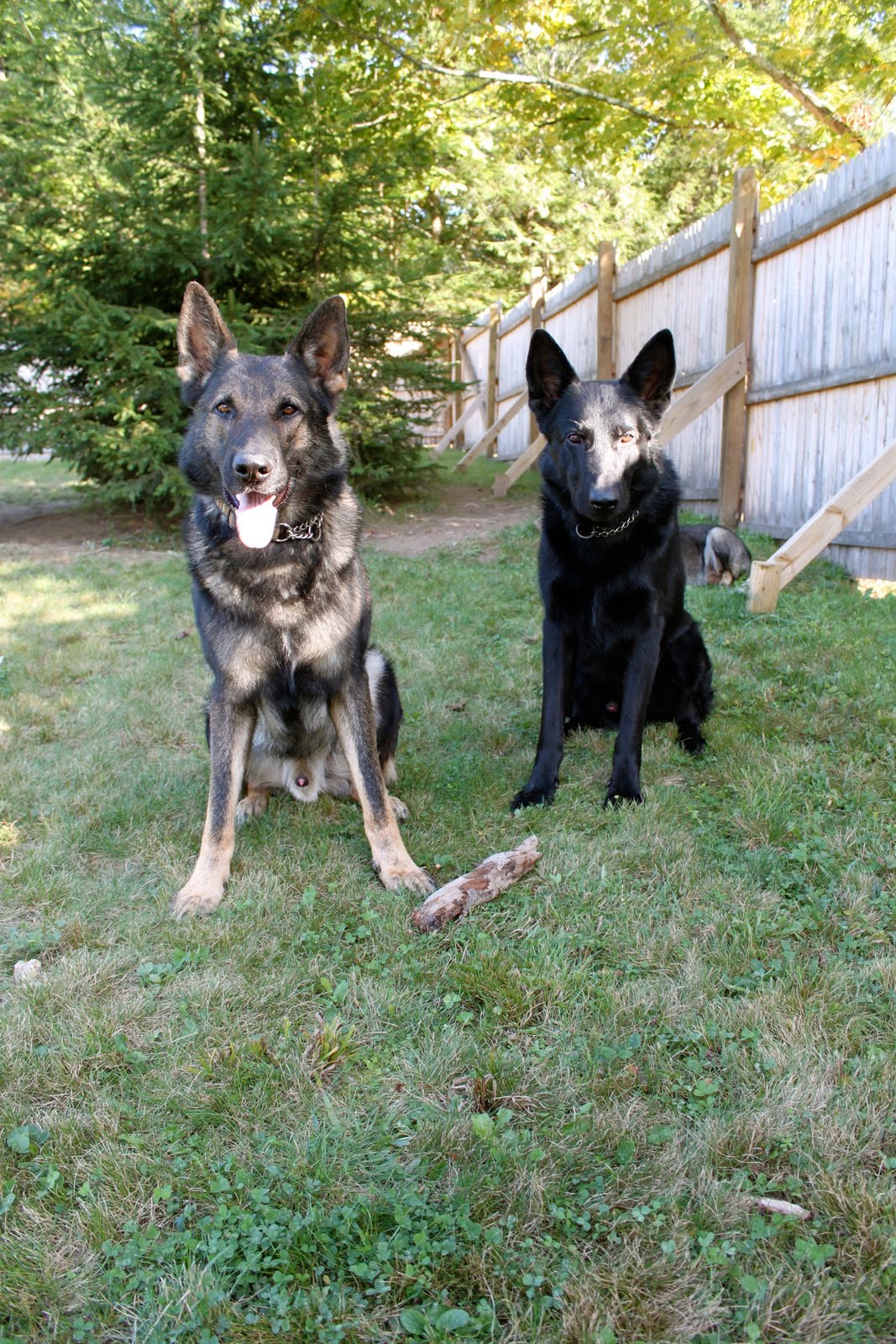
Sublime inhabitants of the world we just visit
while we place what we can where we can
pretending to hope it will stay there
when we'd rather it took to the air
10.08.2010
10.05.2010
Department of Since You Asked: A-okay with Jo-o-Kay
Amazing, and amazingly weird at the same time!! It is so retro, but in such GREAT shape!! Was it yours? Thanks for everything ... Do you know anything about it?
—Feedback from the woman who bought the 1970s Grits n Ham suede jacket, from the luncheonette.
My answer: It wasn't mine, though it would have been if it and I had crossed paths in the past. Especially if I'd come across it in college, when I was a double major, one of those majors being History, which serves pretty well when it comes to researching a jacket like this.
Nearly everything that comes through the luncheonette gets a pretty thorough working over: I start with the label, go through trademarkia, patent archives, old ads (often found on *bay), legal records.
From a site on Oklahoma history, I found out that Jo-o-Kay is a trademarked name that isn't in the trademark archives. But it stands for John and Kay (Katherine) Simpler, of Ardmore, Oklahoma. Actually they weren't technically of Ardmore, they were of somewhere else, but they moved to Ardmore in the 1950s, after the owner of the Western Supply Company encouraged them to. Western Supply made leather goods, specifically the hand-tooled kind, and the owner's family and the Simplers would have cookouts every Saturday night once things got going. The suede and leather coat business started, probably, as a discussion over hamburgers on a buggy night. Imagine everyone, filling up on good Okie beef and looking towards fall. Everyone needs a good jacket, after all.
John and Katherine wanted to call it Jo-Kay. But Jockey, already making underwear, paid for them to add an extra o into the name. As if someone might confuse a two-tone, snap-close cowhide leather jacket with a snazzy cowboy yoke for a pair of Y-fronts. At any rate that's what the Simplers did, though locals always called it Jo-Kay.
And here's an excerpt straight from "The Year of the Campus Cowboy" in a 1964 Sports Illustrated:
And that's what I found out about the Grits n Ham jacket.
![]() |
| The Grits n Ham suede jacket — came through the doors at the luncheonette, made a brief stint on etsy, and wound up in Utah, beloved at last. |
—Feedback from the woman who bought the 1970s Grits n Ham suede jacket, from the luncheonette.
My answer: It wasn't mine, though it would have been if it and I had crossed paths in the past. Especially if I'd come across it in college, when I was a double major, one of those majors being History, which serves pretty well when it comes to researching a jacket like this.
Nearly everything that comes through the luncheonette gets a pretty thorough working over: I start with the label, go through trademarkia, patent archives, old ads (often found on *bay), legal records.
![]() |
| Letter written from Ardmore Air Force Base, 1943. The writer says, I have been to Ardmore once and I don't think a hell of a lot of it. |
![]() |
| Main Street in Ardmore, 1958. |
![]() |
| A later 1970s label (which, upon second thought, makes me wonder if the Grits n Ham jacket was actually from the 1960s) |
Rough-out leather jackets, cut, stitched and snapped like a wrangler's denim model, are hotly popular in the West and are now turning up in the East as well. One firm, Jo-O-Kay of Ardmore, Okla., has sold 100,000 of them this year in 42 different models. They are made of brushed cowhide, lined in warm Orion fleece. Mike Irving and Justine Purdy wear rough-outs over snug-fitting cowboy shirts in Ivy League stripes.
Can't find the photo, but here's the caption:
This page, above: Both jackets are by Jo-O-Kay; the man's, in Aztec gold color, is $30, the lady's $29. Both are at Granby's Trading Post; Miller's; Western Ranchmen Outfitters.
Western Ranchmen outfitters is still in Cheyenne, Wyoming. Members of the Simpler family are still in Ardmore, having cookouts. At some point, the Tandy Company bought Corral Sportswear, which carried — or oversaw some aspect of (and this is where the research gets spotty) Jo-o-Kay. At some point Jo-O-Kay began making coats and jackets for Corral. And someone named Simpler — and it might have been John Simpler himself — was interviewed during a National Labor Relations Board Hearing on whether or not the Ardmore plant had conspired against AFL-CIO members who wanted to organize. That was in 1966-1967, when Corral Sportswear's Ardmore Oklahoma plant — at least this is how it's described in the NLRB transcripts — was found guilty of conspiring against union members by the National Labor Relations Board. The union had petitioned to hold an election at the plant, and among the winners were union members then contested, said the NLRB, by management. Managment being a Mr. Simpler. The plant had 96 employees, but there were only 76 voters:
76 voters-- 1 janitor, 1 patternmaker, 11 cutters, 3 set-up department employees, 3 finishing department employees, 2 shipping department employees, 6 linegirls, and 49 employees performing other work. All voted, as earlier indicated, with 5 challenges made. The Company challenged Pat Wilson, a set-up department employee, as a supervisor; the Union challenged Velma Trent, a finishing department employee, as a supervisor; the Union challenged Myrtha Heartsill and Gladys Roberts,6 linegirls, as supervisors; and the Union challenged Ruth Wills, the patternmaker.The details of the case are a bit sad: you can imagine the group of employees hoping to do some good, imagine Mr. Simpler hoping to stave off changes that might lose him money, imagine the Union lawyers interviewing him, cross-examining him, when all he wants to do is go home and have a good steak. And it gives you a glimpse into how coats like this were made, by patternmakers, and cutters, and finishers, and linegirls, and a tiny shipping department, and by women with names like Myrtha Heartsill and Velma Trent.
And that's what I found out about the Grits n Ham jacket.
Labels:
etsy,
ideaphoria,
luncheonettevintage,
obsession,
retro,
seventies era confusion,
vintage
9.29.2010
Vintage as a black and white cookie
![]() |
| Glaser's Bake Shop black and white cookies |
![]() |
| The toe in question, called a Kiltie, looks fussy but has a purpose. |
![]() |
| Same toes, not the same purpose. Vintage Italian Bruno Magli loafers. |
![]() |
| Glaser's Bake Shop. 87th Street, First Avenue, NYC. |
![]() |
| Manning the ovens at Glaser's, some years ago. |
A Joan dress.
Means a world. Come to think of it, how many times do we see Joan in a black and white dress? Doesn't suit her. There's nothing really black and white on her surface, though there is,
I think, on the inside. Her curves have their own morality.
![]() |
| All from Simply Vintage treasury by cabinwindows |
The thing about black and white cookies, which belong to the honored category of Food That is Vintage, is that they are stark and yet they are delicious. They are geometrically divided, they are round, and yet they have that warm, crumbly potential you can taste before you start eating. Vintage is that way, or can be. In black and white, it can look even more luscious. The forms come out, the lines, the retro, old-school, antique mechanics. You can nearly see the drafter's pencil at work, the giant shears at the tailor's. Cabinwindows is the etsy moniker for a biologist and anthropologist who made the treasury excerpted above. Black and white. She grew up watching biology filmstrips, lives in a haunted cabin, and she gets the black and white cookie of it all.
Labels:
1930s,
coffee,
etsy,
food,
happiness,
inspiration,
luncheonettevintage,
Mad Men,
retro,
return,
treasuries,
vintage
9.19.2010
Dress that cupcake #2
See the first post for the concept, in which I decided that instead of creating an outfit from a room (did Domino do that?) or a room from an outfit, we should really get to the basics here and dress an outfit from the most fundamental food, the cupcake.
cupcake/outfit
![]() |
| cupcake: red velvet cupcake with creamcheese frosting, mingmakescupcakes |
![]() |
| outfit: 1970s oxblood gathered vegan handbag (ever since I found out a vegan baker won the cupcake baker reality show I've been into vegan as a cupcake concept), rustbeltthreads |
![]() | ||
| 1960s red velvet babydoll dress (red or not, this is a remarkable dress!), thrush |
![]() |
| chalcedony and silver necklace (luminous, hot, and beautifully made), polestar |
![]() | ||
| 1960s Air Step nerd heels (but the shoes really should go with the dress), lisazain |
![]() |
| 1960s Copenhagen poncho (another phenomenal piece), veritevintage |
![]() | |
| Vintage lotto marker bobby pins (imagine how adorable), factorygirlashli |
![]() |
| long cuff mittens like Bella's in red (ok, sure, like Bella's, but also like my Auntie Deena's, and she remains my personal 60s icon), ilZdr |
Labels:
cupcake outfit,
etsy,
food,
happiness,
inspiration,
red,
vintage
9.18.2010
Table service for the American Home, 1939
![]() |
| The threshers eating dinner, photo by Wallace Kirkland for Life, n.d. (1930s) |
SERVICE
There are three general types of service. Russian, when all food is served in the kitchen and brought to the table after the guests are seated. Each plate may be served or the food may be arranged on platters for each guest to help himself. Family Type, when the food is all served at the table by the host or hostess or both. Combination, when the main course is served at the table by the host and all the other courses served in portions from the kitchen.
— from The American Home Cookbook, 1939.
9.17.2010
Getting the vintage on, 1970s version
![]() |
| 1970s prairie dress, funretro |
Notice how your husband lingers in the kitchen if the spicy aroma of cookies, spread on cooking racks, greets him.
— Homemade Cookies, by the Food Editors of Farm Journal, 1971
Labels:
double entendre,
etsy,
inspiration,
seventies era confusion,
vintage
9.14.2010
Luncheonette to real life
The luncheonette can feel like a dream state. A delicious one where the cakes are stocked on mirrored shelves and revolving slowly in the case, and the waitresses heft flying saucer trays of meatloaf deluxe and BLTs and milkshakes down endless aisles. And everyone is wearing roller skates and dressed to the vintage 9s, in dresses like this:
But it's even better to see the dress being worn in its new, real life, out there in the world.
Thanks so much, Andrea, for sending this!
The luncheonette can feel like a dream state. A delicious one where the cakes are stocked on mirrored shelves and revolving slowly in the case, and the waitresses heft flying saucer trays of meatloaf deluxe and BLTs and milkshakes down endless aisles. And everyone is wearing roller skates and dressed to the vintage 9s, in dresses like this:
![]() |
| 1950s Texas scramble dress |
![]() |
| Texas scramble dress worn by its buyer, Andrea — in Texas. |
Thanks so much, Andrea, for sending this!
Labels:
etsy,
happiness,
inspiration,
luncheonettevintage,
vintage
9.13.2010
Preparation for a chicken
We have joined the zietgeist though we never intended to, and are heading for the receiving end of 25 or 26 or 27 Buff Orpington chicks sometime between September 18th and 23rd.
The factual/numeric aspects of this plan are a bit shaky to me, but I didn't make the arrangements. As a certain breed of Virgo I am fighting the compulsion to see the plan as indefinite as mist. But that was another life.
In this life, the person who arranged the chicken thing is anything but misty, so there is no question: we are getting them. And it was his job, as a little boy, to take care of all the chickens on his grandparents' farm. So, zeitgeist or not, this isn't a nouveau chickens situation — for him. You could say that by virtue of my union with someone who has squat respect for the zeitgeist, I have in fact joined the zeitgeist.
There is much preparing: coop, chicken area, fence, whether or not we can let the birds range all over the yard. Our pigeons do — they mill around while the dogs are out, since the dogs were proofed off pigeons long ago. If we can convince the dogs that chickens are just big pigeons things should be fine.
One of us is mulling over the right coop and bedding and feed.
One of us is looking for the right egg baskets and chicken-ish things. Not to mention gingham chicken-and-egg-gathering dresses.
And obsessing over how to use all the eggs.
![]() |
| 1906 postcard, obscurio. |
We have joined the zietgeist though we never intended to, and are heading for the receiving end of 25 or 26 or 27 Buff Orpington chicks sometime between September 18th and 23rd.
![]() | |
| 1908 postcard, laurasvintagegarden. |
![]() |
| 1939 encyclopedia page, vintagehomerecycled. |
![]() |
| 1970 back to the land followers, westvirginaculture. |
![]() |
| 1961 Pasadena school photo, totalvintage. |
![]() |
| 1934, chicken house in Cairo, caravancollection. |
![]() |
| 1940s gingham dress, allencompany. |
![]() |
| 1920s-30s gingham dress, adelaidehomesewn. |
![]() |
| 1950s handmade dress, clevernettle. |
And obsessing over how to use all the eggs.
![]() |
| egg basket, rollinghillsvintage. |
9.12.2010
Olive
Yesterday was Olive Day, a yearly fete at Davis Park for the whole giant little village that seems to be the official town of Olive (population 4,579 as of 2000). I was an author guest at the Olive Free Library booth, brought my books and basked in the questions, eyeing the table of vintage cookbooks for later (bought 5). The library ladies are sharp, hospitable, enterprising, and in a book club — and Russian Lover is one of their picks. Another book club, based nearby and held, lordy, at a B&B I've always wanted to escape to, is reading it too. Can't wait to sit with both. Promise me you olive gals won't hold back.
At Olive Day the sheriff was holding court, food booths included alligator and chicken (mixed together, I wondered, before or after being dispatched), and there were handcrafts and try-this's. It was 9/11. Kids ran around and got their faces painted. Sheep nosed for treats from their little exhibition paddock. EMTs sat at their HowToBeSafe table —some, no doubt, recalling the day and its aftermath not that many years back. A fellow chortled into a bullhorn about getting down and dirty in the upcoming egg toss. A tiny brown pony in a tiny western saddle got led around with a succession of kids, its head bobbing quickly as it fought the urge to trot.
It was festive and somber at the same time, which made it kind of dreamy. I get into a heightened state when doing a reading or appearance, so the whole scene was bright brights and dark darks. There were those odds and ends that enhance the carny, grubby feel so often crusted under the edge of the cake dish, like a cloudy looking woman with ash colored hair who'd laid out a scatter of objects on a tarp on the ground. I picked up a rusty green toolbox (love toolboxes). This one had a sticker on it that had been torn off, leaving a fuzzy scar. I opened the lid and found rust, cobwebs, a dank smell. So the box was uncharmingly wrecked. The woman, the seller, perked up and rose from her lawn chair when I opened the lid — it signified interest. But she wanted a lot for it. Without thinking, in fiction not vintage mode (etiquette out the window), I said, No. That much? Really? Said it too abruptly to temper it. She was offended, and so overreached to justify: The box is a military antique. The green is U.S. military green. They are the only ones allowed to use that green.
Like UPS brown? I played.
No, she said.
None of what she said was true. It was so not true that I somehow wanted to help her save some kind of face. I wondered if she was trying to connect with the vaguely patriotic (not so vague for some) tone of the day by selling military-looking things.
The box was olive colored. I offered, well you've got an Olive green box. That's right for Olive day. She saw no connection there and frowned. It's true, it was a terrible effort. She dropped me for the tweens riffling through her pile of string bracelets, dollars in their hands. I went back to wandering. There is something about being the guest writer that turns me aimless when otherwise I'd be mission-ready, hunting for vintage, trying all the food, shuffling around in jeans and boots.
There were a lot of American flags. There was an art exhibit. There were rows and rows of cherry 1950s cars I couldn't quite get to. There were fresh apples two for fifty, barbecue ladled into giant white buns, a sportsman booth with dozens of pelts strung up along the edge of the tent, many with heads and paws attached, and a murky tank of some kind of fish. There was a timber wolf pelt, which threw me back into my book for about three minutes, sent me scribbling some notes before I headed for the coffee stand.
And two currents ran under the whole thing. One was 9/11, which some people chose to bring up in conversation between hot dogs and pieces of home-baked pie. The other, literally, involved water, the currents of it, running from the Esopus into the giant reservoir that sits like a hole in this part of Ulster County, being snared into tunnels and aqueducts and sent southwards to the city, away from here. In the Olive town offices on the other side of the parking lot, there are framed photos and documents dating back to when much of Olive was first emptied of whole towns and townspeople and then razed to make the reservoir and give NYC fresh water. Thousands were displaced. People tell stories about families watching their homesteads and farms burn to the ground, about a man who jumped out of a hayloft as the barn was torched beneath him, and then ran right back into the barn. It didn't happen that long ago. It happened to grandparents, great grandparents. And if Olive has a bit of an underdog feeling this might partially be why.
I often run along the road over part of the reservoir, a road known around here as the lemon squeeze. It used to be the main way home. But they closed it after 9/11, for security reasons they said, and locals had to drive the long way home and once again felt like the city owned their lives. I run above the waters of the reservoir and the phantoms of hamlets.
To the right, as you head out, there's a long swath of lawn-struck hillside and woods crouched along the base of it, turkeys lacing the edge as they hunt for food. To the left is the reservoir. Lack of rain has exposed bare bars of land in the water. People stand at the edge, looking for foundations exposed. There's talk of a church steeple visible somewhere, but I'm told that's a myth. The city was, mostly, effective. Still, you find this.
Back at the library booth the ladies were still energized and people were buying those vintage cookbooks and children's books in bulk, and the donations were coming in, and the raffle tickets were flying out. I bought my vintage cookbooks, two apples, said thank you, headed home.
![]() |
| Town of Olive before the reservoir, showing towns and land now submerged (in blue) and land now owned by New York City (in green), from town of Olive archives. |
![]() |
| Part of the fare at the library table on Olive day. What you can't see: apples to the left, baked goods to the left of them, books all around. |
At Olive Day the sheriff was holding court, food booths included alligator and chicken (mixed together, I wondered, before or after being dispatched), and there were handcrafts and try-this's. It was 9/11. Kids ran around and got their faces painted. Sheep nosed for treats from their little exhibition paddock. EMTs sat at their HowToBeSafe table —some, no doubt, recalling the day and its aftermath not that many years back. A fellow chortled into a bullhorn about getting down and dirty in the upcoming egg toss. A tiny brown pony in a tiny western saddle got led around with a succession of kids, its head bobbing quickly as it fought the urge to trot.
![]() |
| Not the toolbox at Olive Day, but a green one I loved. |
Like UPS brown? I played.
No, she said.
None of what she said was true. It was so not true that I somehow wanted to help her save some kind of face. I wondered if she was trying to connect with the vaguely patriotic (not so vague for some) tone of the day by selling military-looking things.
The box was olive colored. I offered, well you've got an Olive green box. That's right for Olive day. She saw no connection there and frowned. It's true, it was a terrible effort. She dropped me for the tweens riffling through her pile of string bracelets, dollars in their hands. I went back to wandering. There is something about being the guest writer that turns me aimless when otherwise I'd be mission-ready, hunting for vintage, trying all the food, shuffling around in jeans and boots.
There were a lot of American flags. There was an art exhibit. There were rows and rows of cherry 1950s cars I couldn't quite get to. There were fresh apples two for fifty, barbecue ladled into giant white buns, a sportsman booth with dozens of pelts strung up along the edge of the tent, many with heads and paws attached, and a murky tank of some kind of fish. There was a timber wolf pelt, which threw me back into my book for about three minutes, sent me scribbling some notes before I headed for the coffee stand.
And two currents ran under the whole thing. One was 9/11, which some people chose to bring up in conversation between hot dogs and pieces of home-baked pie. The other, literally, involved water, the currents of it, running from the Esopus into the giant reservoir that sits like a hole in this part of Ulster County, being snared into tunnels and aqueducts and sent southwards to the city, away from here. In the Olive town offices on the other side of the parking lot, there are framed photos and documents dating back to when much of Olive was first emptied of whole towns and townspeople and then razed to make the reservoir and give NYC fresh water. Thousands were displaced. People tell stories about families watching their homesteads and farms burn to the ground, about a man who jumped out of a hayloft as the barn was torched beneath him, and then ran right back into the barn. It didn't happen that long ago. It happened to grandparents, great grandparents. And if Olive has a bit of an underdog feeling this might partially be why.
![]() | ||
| Giles general store, pre reservoir days, town of Olive archives. |
![]() |
| Building the reservoir, town of olive archives |
I often run along the road over part of the reservoir, a road known around here as the lemon squeeze. It used to be the main way home. But they closed it after 9/11, for security reasons they said, and locals had to drive the long way home and once again felt like the city owned their lives. I run above the waters of the reservoir and the phantoms of hamlets.
![]() |
| Shokan village, under water, town of Olive archives. |
![]() |
| Old foundation exposed by low water levels, Ashokan. Taken by K. Barbariantz, 2008. |
Labels:
coffee,
disaster,
happiness,
ideaphoria,
impact,
inspiration,
not fiction,
Russian Lover,
The novel,
The Shorthand of Faith,
wolf
Subscribe to:
Posts (Atom)